
Speed
Decided in secondsMost local searches happen on a phone, often on cell data, often while the person is standing in the problem. A site that takes six seconds to paint has already lost to the one that took two.
A site that loads fast and makes the next step obvious.
Most small business sites lose the customer somewhere between the hero and the phone number. Either the page takes six seconds to load on a phone, or the visitor cannot tell in three seconds what you do and where you do it. We build sites that answer both questions immediately and then get out of the way, on foundations clean enough that the search work has somewhere to land.
Target mobile load on every page we ship
Reporting tied to calls, not positions
One business per category in the city.

Tell us what you want to grow. We will review your website, search visibility, lead flow, tracking, and the clearest next steps.
Your services, goals, competition, current website, and what a better lead looks like.
Website design, SEO structure, Google Ads readiness, AI search clarity, and conversion tracking.
Plain English recommendations, realistic priorities, and no confusing agency language.
Every other thing we do sends traffic here. If the page is slow, confusing, or asks for eleven fields before it will let someone contact you, the ranking work is paying for visits that go nowhere. Design decisions on a lead generation site are conversion decisions first and taste decisions second.
Most local searches happen on a phone, often on cell data, often while the person is standing in the problem. A site that takes six seconds to paint has already lost to the one that took two.
What you do, where you do it, and how to reach you should be readable without scrolling. Most sites bury all three under a stock photo and a sentence about passion for excellence.
Clean heading structure, proper schema, crawlable navigation and a page per service. Retrofitting this onto a site that was built without it costs more than doing it right once.
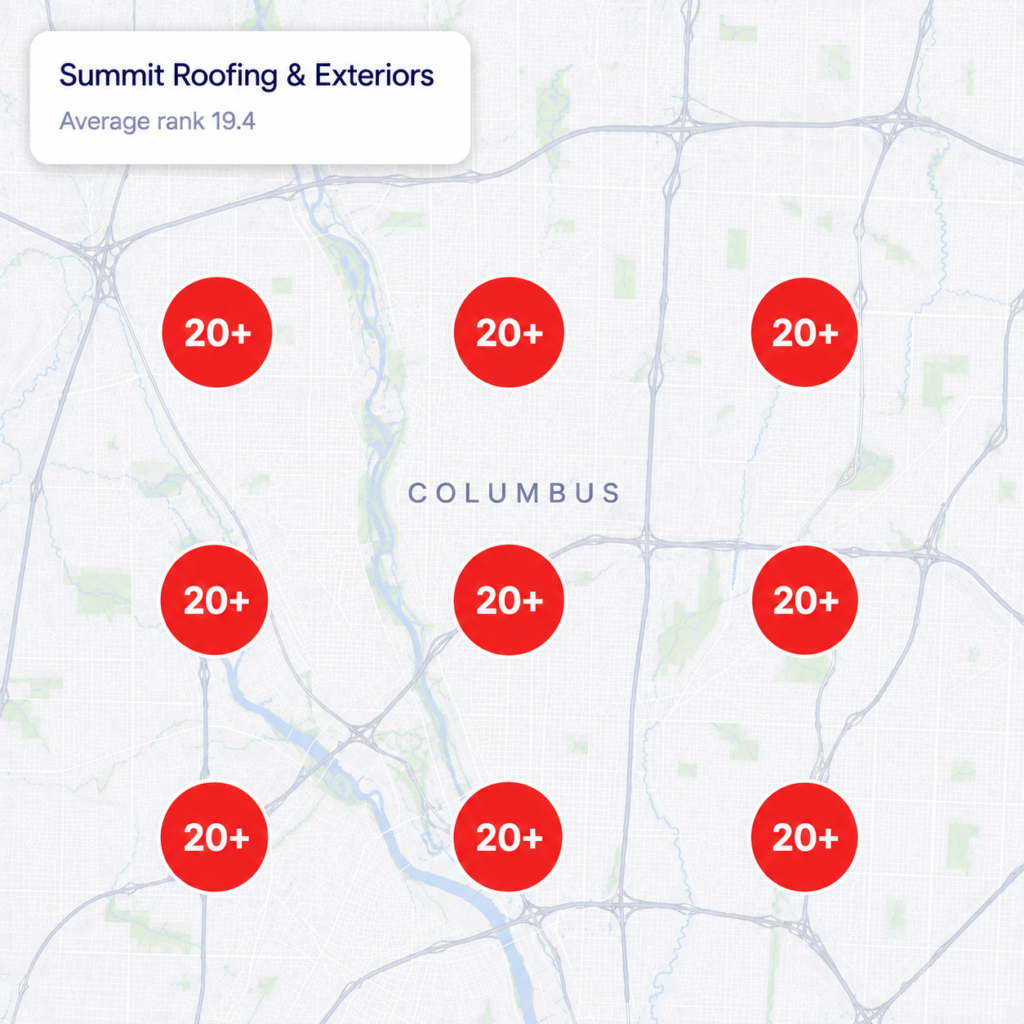
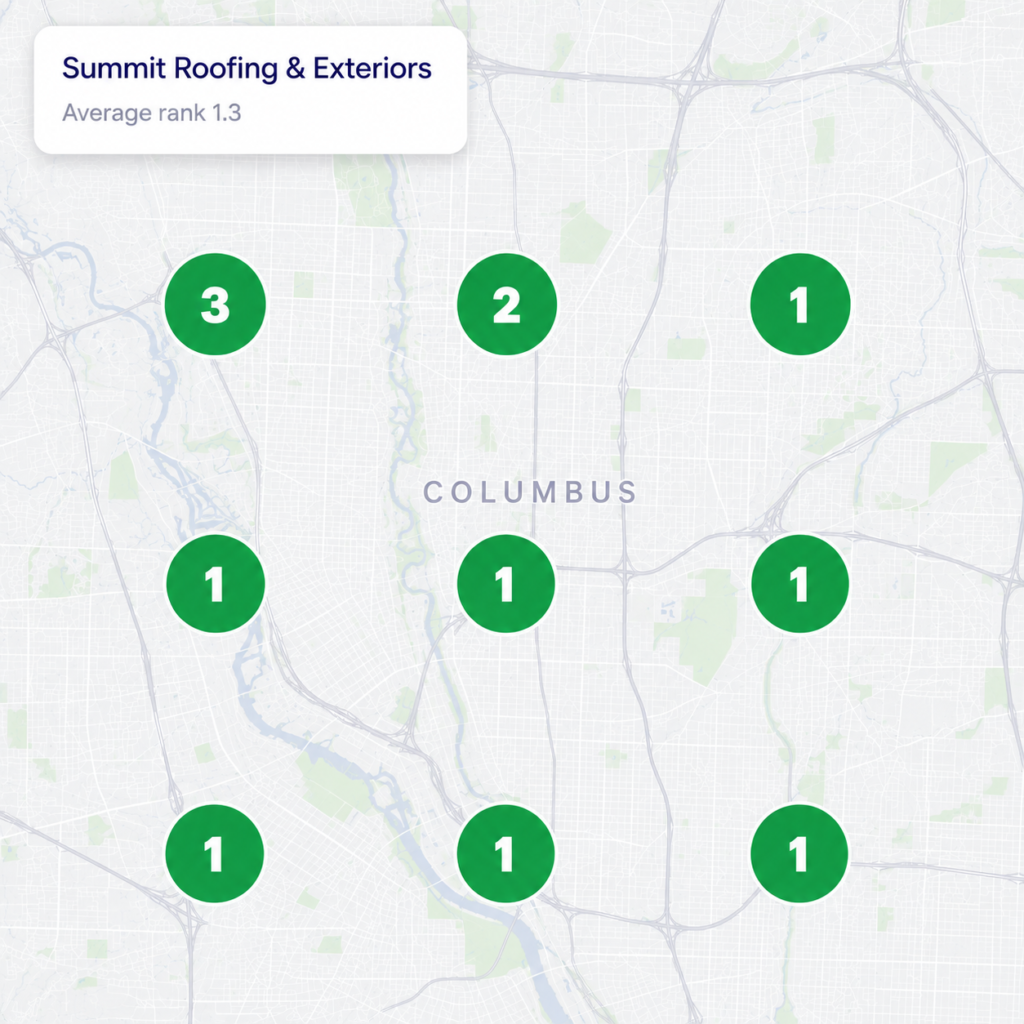
A single average position hides the truth. We scan a nine point grid across your
service area so you can see exactly which suburbs you own and which ones you
have never appeared in.
Calls, direction requests and website clicks from the profile.
Every scan since we started, suburb by suburb.
Tracked calls tied back to the map listing that produced them.
Six workstreams aimed squarely at the map pack. Each one has an output you can
point at in the dashboard.
Custom layout built for your trade, not a template with your logo dropped in. Designed mobile first because that is where most of your traffic already is.
Every page written to move someone toward calling. Clear headline, real proof, one obvious next step, and the objections handled before they are asked.
Image compression, lazy loading, minimal scripts and proper caching. Speed is checked on real mobile connections, not just on a desktop test.
Heading structure, schema markup, internal linking, XML sitemap and clean URLs built in from the start rather than added afterwards.
Contact forms that submit fast and route where you want them, with Google Analytics, Search Console and call tracking wired up before launch.
Migration, redirects from the old URLs, SSL, and a walkthrough of how to edit your own content. All logins in your name.
Volume, recency, rating and whether you reply all feed the map pack. A
business with 180 recent reviews and an owner who answers them will
outrank a better company with 40 reviews from 2021, every time.
We automate the ask after every completed job, route unhappy customers to
you privately first, and draft a reply to every review that lands.
Read reviews before calling a local business
How quickly a review starts losing weight
Reply rate lift when the owner answers

The request goes out by text within the hour, while the work is still fresh.
A private form first, so problems reach you before they reach Google.
We draft the reply, you approve it. Google reads the replies too.
A standard build runs three to four weeks. Bigger sites with a page per service and per suburb take longer, and we will say so before you pay.
Your services, your territory, your competitors, and what a good lead looks like. Sitemap and page structure agreed before any design starts.
A sitemap you have signed off
Homepage designed first and reviewed, then the inner page templates once the direction is locked.
Designs to react to, not a finished site
Pages built, copy written, forms wired, schema and tracking installed.
A staging link you can click through
Your revision round, speed testing on real devices, redirects mapped, then live.
The site live on your domain
A single average position hides the truth. We scan a nine point grid across your
service area so you can see exactly which suburbs you own and which ones you
have never appeared in.
Avg grid rank, from 19.4
Calls a month, from 44
Reviews, from 61
Grid points in top three
Booked jobs a month
Rating, from 4.3
Emergency plumber, 3 suburbs
Calls a month, from 21
Calls now from Maps
Ranking radius, from 2 mi
Quote requests a month
Return on retainer
Every trade searches differently. A burst pipe is an emergency search on a phone at
11pm, a kitchen remodel is six weeks of research on a laptop. We build the strategy
around which one you sell.
Storm season spikes, high ticket, insurance driven
Two hard seasons, maintenance plans in between
Emergency intent, mobile, decided in minutes
Trust and licensing questions dominate
Seasonal, visual, review and photo led
Broken spring today, replacement next month
Recurring contracts, fast response wins
Long research cycle, portfolio is the pitch
If yours is not here, call and ask. We will give you a straight answer even if it means telling you not to hire us.
We will scan your map rankings across every suburb you serve, audit your Google Business Profile and citations, and show you exactly where the calls are going instead.
Tell us your main service and the towns you serve. We will send back the map showing where you rank in each one.